Swimming More: How the Shokz Openswim Pro Solved One Problem of Training for a Long Swim
Preparing for a much longer open water swim event meant increasing swim yardage dramatically. The physical challenge was anticipated but the boredom came as a surprise.
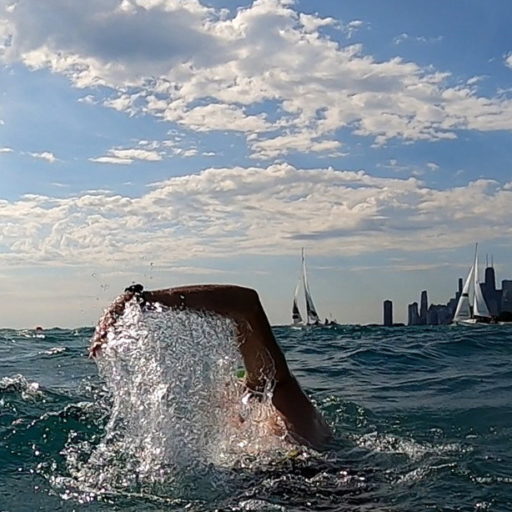
Summer’s a time for enjoying the open water as much as possible; one great way to do this is to set a big goal of doing a long swim event. For us, in prior years, this has been Chicago Big Shoulders (5K/3.1mi) and last year, the Mackinac Bridge Swim (~7k/4.25mi). Swimming more and longer is one way to get better at open water swimming.
Preparing for the Mackinac Bridge Swim required us to swim significantly more yards in training. Most importantly, swimming more pool yards in the early season became central to the training plan. The main even was in mid-summer, and so the cold weather months here in the US Midwest needed to be very productive in base-building. This amounts to a significant increase in swim yardage for OpenWaterLog; the physical demands of increasing swim endurance this way were challenging but anticipated.
What caught us off guard was the boredom of very long pool sessions needed to get ready for open water swimming (and to avoid losing momentum on the occasional bad water days during open water season).
The Unexpected Challenge of Swimming More Yards
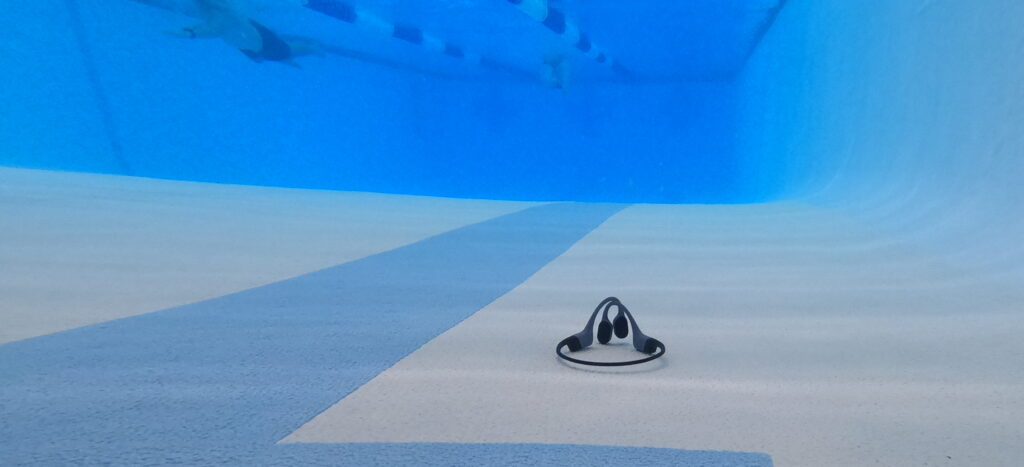
Hour-long pool sessions are familiar and manageable. Joining a masters swim group or doing laps solo at a pool is a a quick way to get a swimmer in shape for an hour swim. But stretching this to ninety minutes, then two hours is helpful in building stamina toward a potentially 3-hour long open water swim. We didn’t have a masters group option that built to 2 hours, and so it was necessary to do these solo. The boredom in this turned out to be almost crushing.
In open water swimming, the lake itself provides entertainment. Assessing and adapting to the wave patterns, sighting and course corrections, the whine of airplanes descending toward O’Hare Airport, the morning light (only rarely are our swims anytime other than morning), a lot of bird watching, and even the occasional fish darting below (even if the Great Lakes fish aren’t typically a feast of color): these elements and the whole world around keep the mind engaged. In almost any case, the open water doesn’t require any distractions. It’s a meditative delight; it’s why we do this.
The pool offers a black line and repetitive turns. Usually in silence, or maybe punctuated by echoing cacophony that sounds like an old gymnasium.
When Distraction Becomes Necessary
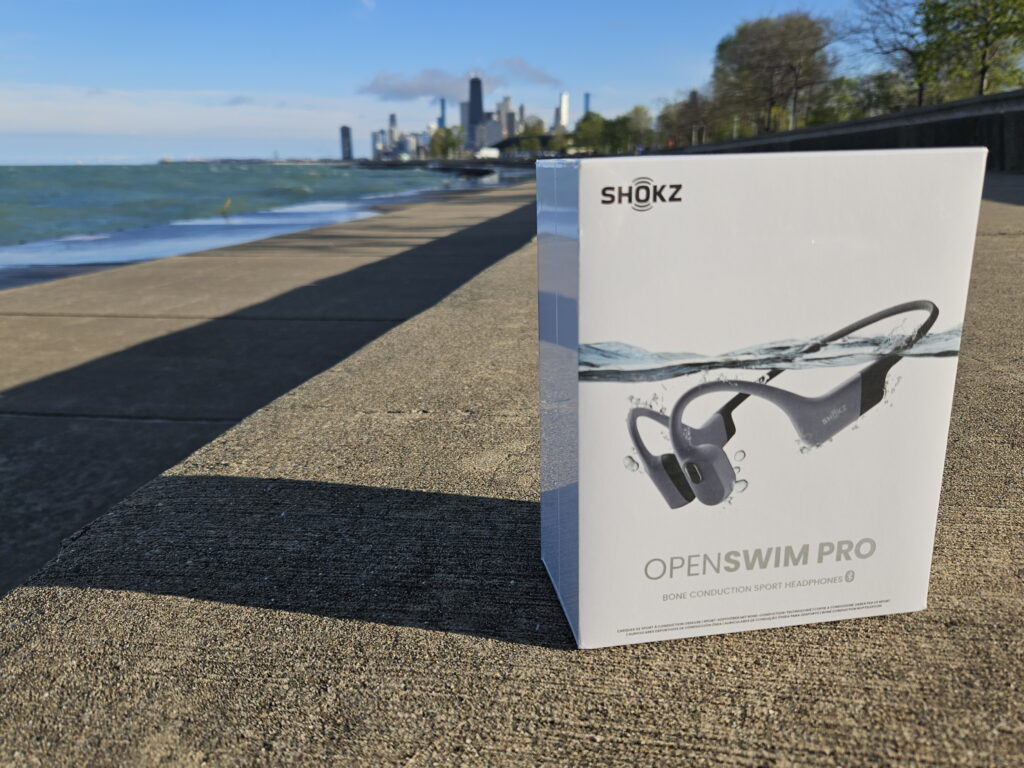
We needed something to occupy our minds during these extended pool sessions without compromising our stroke or awareness. Swimming with music or other audio struck us as about the best possible ways to do this. We settled on the Shokz Openswim Pro ($179.95) as the best option for delivering that audio. These bone conduction headphones work for both swimming and dry land activities, like biking to the lake.
The bone conduction technology means they don’t seal your ears—you can still hear your surroundings along with your audio. They’re not noise cancelling, which matters for safety in both the pool and open water.
In Water Performance is Great
The sound quality in the water was surprisingly good. The audio came through clearly with significant bass and range. Music sounds as rich as it does with in-ear type speakers on land (ear buds), and spoken word in podcasts were completely clear. On the rare occasions we swam breaststroke, the sound quality seemed less effective when our head came out of the water, somewhat the way the sound comes through on dry land. But for the majority of our time in the water, The Openswim Pro shows that swimming with music can work very well.
Dry Land Performance
On dry land, the bone conduction proves a little less effective. In quiet environments like an office, they work fine for phone calls—the microphone performed well in call mode. And listening to music or podcasts with a reasonable background noise level worked well enough, even if the music listening experience is degraded. But in noisy settings, they struggle. Running alongside traffic or cycling with an inconvenient wind direction creates too much background noise for clear audio.
This isn’t a flaw, exactly. It’s the trade-off inherent to bone conduction technology that doesn’t seal your ears. You maintain situational awareness at the cost of some audio clarity in loud environments.
Fit and Security
The Shokz Openswim Pro stays reasonably secure during swimming. We never worried about losing them in the water, even during flip turns. The fit is also secure enough for running, though they do move around slightly. This could vary considerably for users with different ear and head dimensions. But we didn’t find that the slight movement was troublesome.
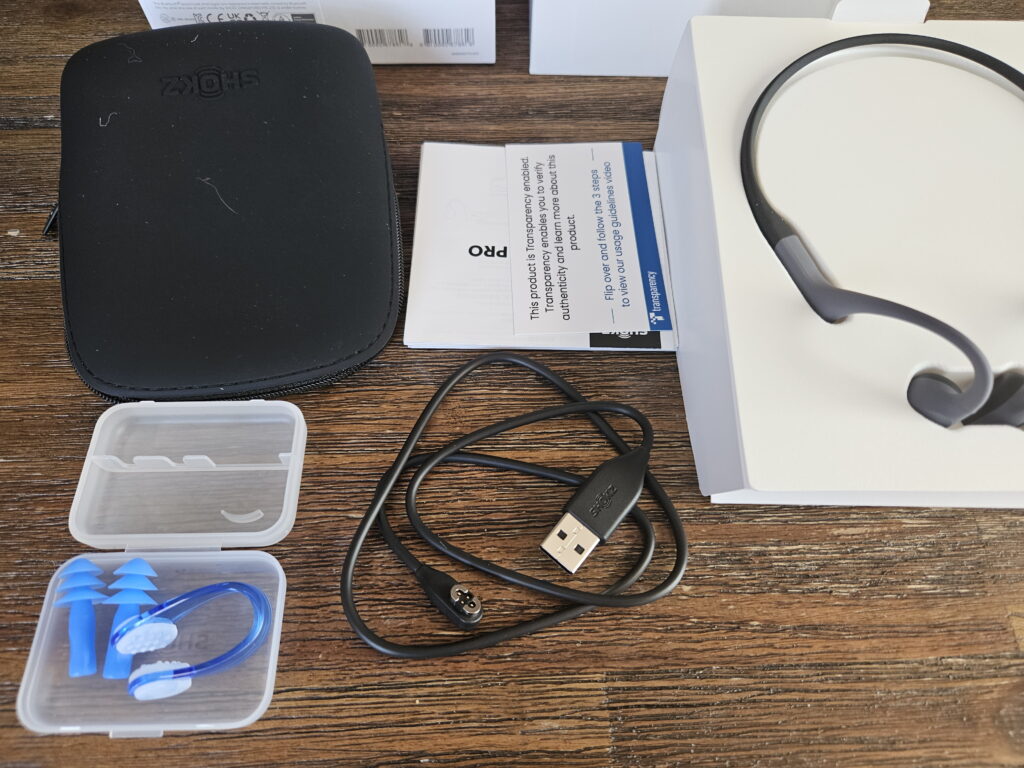
The Unboxed Shokz OpenSwim Pro includes a case, charging cable, as well as ear and nose plugs.
Battery Life and MP3 Functionality
The battery life was impressive. On a recent flight, they endured 4-5 hours on Bluetooth without a charge, and they still had battery remaining.
In the water, they operate only in MP3 mode—no Bluetooth connectivity through water. We loaded old files extracted from an inactive iTunes folder, which worked without issue. The MP3 mode lacks playlist management and simply serves files from the entire library, which means you’ll get whatever is loaded.
The Verdict
The Shokz Openswim Pro solved a problem we didn’t anticipate when we started swimming more to prepare for the Mackinac Bridge Swim. They won’t replace open water’s natural engagement, but for the necessary pool work that builds stamina and yardage, they transform tedious into tolerable.
At $US 179.95, they occupy premium pricing territory. Whether they’re worth that investment depends on how much pool time you’re logging and how tedious you find the pool. For swimmers asking themselves how they can increase swim yardage safely and effectively without losing their minds to boredom, we’d say the investment pays off.
In any case, with some long swims scheduled, these headphones are already part of our Winter 2026 training.