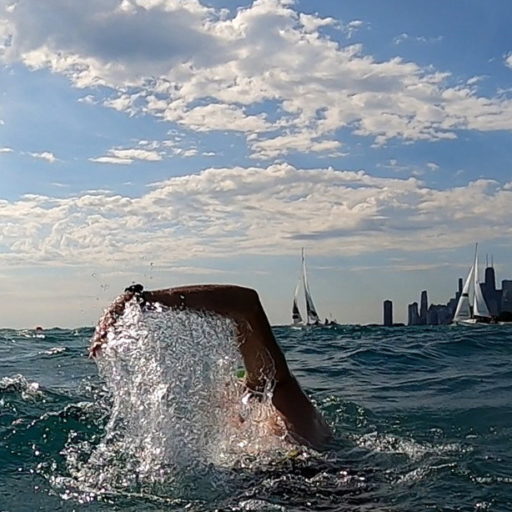
Lake Atitlán stretches across the volcanic highlands of southwestern Guatemala, cradled between three imposing volcanoes at an elevation of approximately 5,125 feet. This deep volcanic lake, reaching depths of 340 meters and spanning 130 square kilometers, holds sacred significance for the indigenous Tz’utujil, Kaqchikel, and K’iche’ Maya communities who have lived along its shores for centuries. Playa Publica de Panajachel provides accessible entry to these remarkable waters from the bustling gateway town of Panajachel.
Access to the public beach in Panajachel is straightforward through the town center, with parking available nearby. The beach offers basic facilities, though conditions are more developed than at remote lakeside locations.
Swimmers should be aware that water quality varies significantly around the lake. Swimming near large population centers like Panajachel requires caution due to pollution concerns, as only 20 percent of wastewater in the basin currently receives treatment before entering the lake. The lake maintains a consistent temperature of approximately 21°C (70°F) year-round. The clearest swimming conditions exist away from major town centers, particularly at locations like Playa La Finca, El Jaibalito, and Cerro Tzankujil Nature Reserve.
Connect with Kayak Guatemala (Los Elementos Adventure Center) at https://kayakguatemala.com/ for guided kayaking tours and cliff-jumping excursions that provide safe access to cleaner swimming areas. Based near Santa Cruz La Laguna, this adventure center offers full-day tours with professional guides trained in USA safety standards, including swimming opportunities, cliff jumps ranging from 3 to 30 feet, and equipment rentals. Their guided approach helps visitors identify the safest swimming locations while exploring the lake’s natural beauty. The lake experienced significant algal blooms in 2009 and 2015, caused by cyanobacteria, though these events are not annual occurrences and the blooms themselves are not toxic to humans.
Water quality monitoring is conducted by AMSCLAE (Autoridad para el Manejo Sustentable de la Cuenca del Lago de Atitlán y su Entorno), the governmental authority established in 1996 to manage the lake basin. AMSCLAE works with NASA’s SERVIR program to track algal bloom probabilities using the Lake Atitlán Forecasting System. Swimmers should check current conditions before entering the water and follow local guidance about which areas are safest for swimming. Early morning offers the calmest conditions before winds develop later in the day.